
How to Assess the Long-Term Value of a Premium Home in New Friends Colony
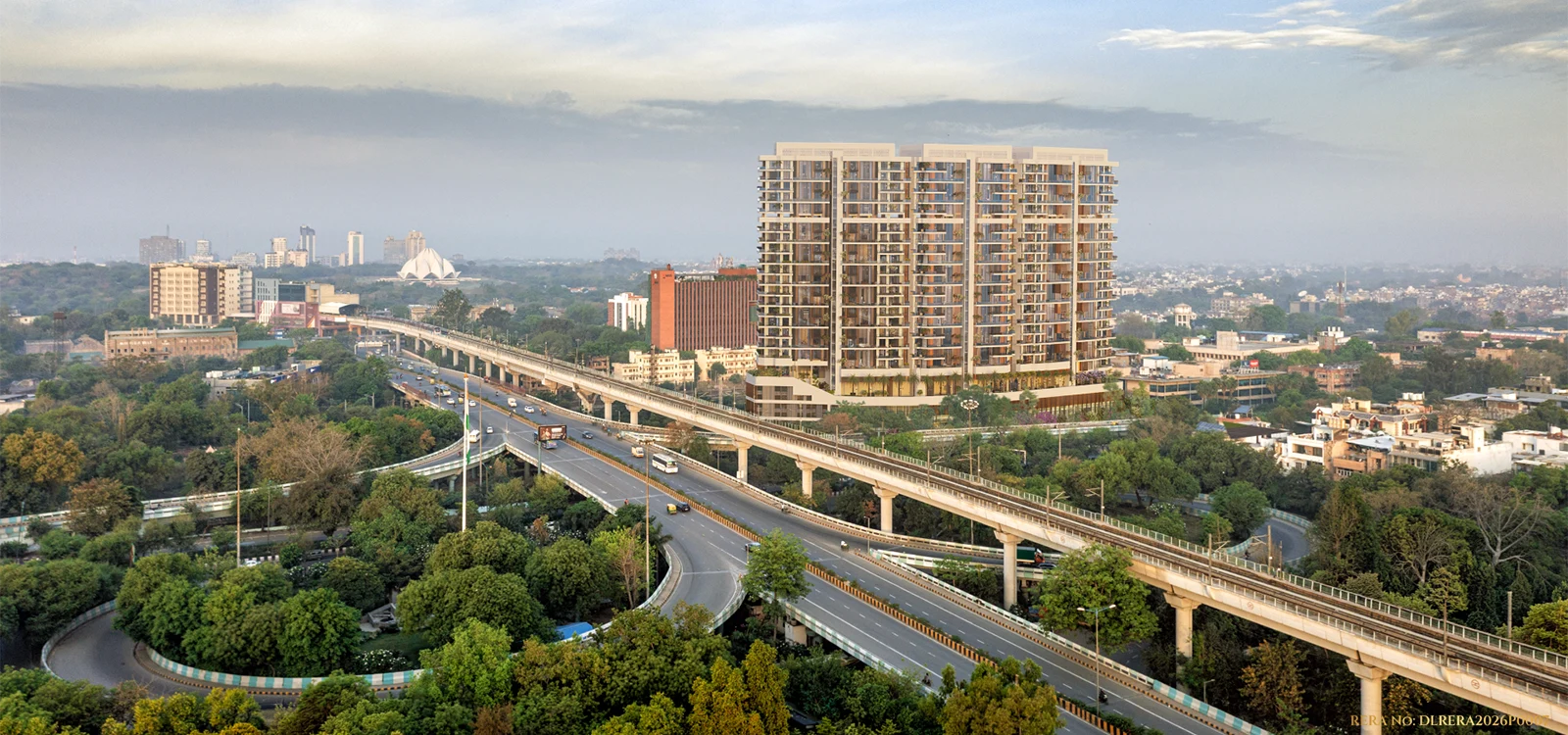
South Delhi has always commanded a unique position in Indian real estate. For generations, neighborhoods like New Friends Colony (NFC) have served as residential anchors for the capital's business leaders, diplomats, and multi-generational families. However, acquiring or investing in a high-value asset today requires a structured, evidence-led approach. Emotional attachment to a prestigious postal code must be paired with rigorous evaluation of long-term utility, infrastructure stability, structural longevity, and asset liquidity.
Whether you are comparing traditional low-rise independent plots or modern vertical communities such as Kreeva Swaranaya, understanding how to measure intrinsic asset value prevents costly missteps. For a comprehensive overview of master plans and site layouts, you can explore the Kreeva Swaranaya project information.
1. Location Resilience and Micro-Market Evolution
The primary driver of enduring property value in South Delhi is finite land scarcity. Unlike expansive suburban corridors where new supply can continuously expand outward, micro-markets like New Friends Colony are fully built-out.
When evaluating location resilience, consider:
- Civic Infrastructure Maturity: Established neighborhoods benefit from operational underground utilities, storm-water drainage networks, and mature municipal maintenance systems.
- Neighborhood Stability: NFC’s low-density residential pockets, tree-lined avenues, and well-maintained public parks provide an insulated environment that resists over-commercialization.
- Proximity to Commercial Nodes: Access to key commercial drivers—such as Nehru Place, Okhla, and Central Delhi—ensures that residential demand from senior corporate executives and business owners remains perpetual.
2. Infrastructure and Multi-Modal Connectivity
Long-term asset liquidity is deeply tied to how easily residents can navigate the wider National Capital Region (NCR).
- Arterial Road Networks: Direct proximity to the Mathura Road spine and the Modi Mill Flyover allows smooth transit toward central corridors.
- Expressway Links: Swift connectivity to the DND Flyway minimizes friction when traveling across the Yamuna toward Noida or commercial hubs.
- Rapid Transit Integration: Proximity to the Magenta Metro line network offers reliable, traffic-independent connectivity across Delhi and its outer nodes.
When auditing a property, inspect peak-hour traffic flow around major local intersections to gauge day-to-day transit convenience.
3. Construction Quality and Engineering Standards
An asset's physical lifespan dictates its maintenance expenditure and holding stability over decades. Traditional independent builder floors often suffer from structural aging, waterproofing issues, and unmonitored utility distribution.
In contrast, modern high-rise developments place heavy emphasis on robust structural engineering. For instance, projects utilizing post-tensioned concrete technology and seismic-compliant frames engineered by specialists—such as JW Consultants LLP—provide enhanced structural integrity. Furthermore, acoustic double-glazed performance glass helps insulate indoor living spaces from urban arterial noise. For a critical breakdown of engineering and structural layouts, read the Kreeva Swaranaya detailed review.
4. Developer Track Record and Institutional Backing
The credibility of the entity building or promoting a luxury asset is a vital risk-mitigation factor. Buyers should look beyond flashy marketing collateral and investigate:
- Corporate Heritage: Examine the developer's operational history across industries. For example, Kreeva Swaranaya is promoted by Kreeva as the luxury residential arm of the Kanodia Group, backed by decades of industrial manufacturing and construction materials experience.
- Financial Prudence: Investigate whether the development enjoys institutional capital backing from established real estate private equity funds or tier-1 financial institutions.
- Past Delivery Standards: Inspect completed projects by the same builder to assess long-term maintenance quality, facade upkeep, and common-area management.
5. Legal Documentation and Statutory Compliance
Long-term value can be severely eroded if an asset encounters title disputes or regulatory non-compliance. Rigorous legal due diligence is non-negotiable:
- Chain of Title: Verify complete, unencumbered land titles spanning at least three decades, ensuring no active litigation or family inheritance claims exist.
- Statutory Registrations: Confirm that the project holds active registration under regulatory frameworks, such as Delhi RERA registration DLRERA2026P0007 for Kreeva Swaranaya Delhi.
- Sanctioned Approvals: Ensure that municipal building plans, fire safety NOCs, and environmental clearances strictly match on-site execution.
6. Maintenance Costs and Facility Management
A luxury home is an ongoing operational commitment. Buyers frequently overlook the long-term carrying costs associated with premium residential assets.
- Clubhouse and Amenity Upkeep: Large recreational footprints—such as a 1,50,000 sq. ft. club ecosystem featuring sky infinity pools, wellness spas, and temperature-controlled indoor lap pools—require professional, institutional facility management.
- Common Area Charges: Evaluate the projected maintenance cost per square foot to ensure common spaces, multi-tier biometric security systems, and high-speed private elevators remain impeccably managed over time.
7. Comparable Property Supply and Resale Liquidity
Understanding the local inventory helps contextualize whether an asset is positioned well for future liquidity.
- Supply Constraints: Because freehold land in New Friends Colony is extremely limited, the supply of newly engineered, low-density vertical communities like Kreeva Swaranaya New Friends Colony is finite.
- Target Audience Demographics: Premium multi-generational homes catering to 3.5, 4.5, and 5.5 BHK configurations attract a niche pool of high-net-worth buyers who prioritize security, structural height (such as 22-foot double-height living spaces), and privacy over cramped independent layouts.
- Exit Horizons: Real estate in South Delhi functions best as a medium-to-long-term holding asset. Short-term flipping is rarely viable given high transaction costs, stamp duties, and registration fees.
Value Assessment Checklist for Buyers
| Assessment Category | Key Metric to Inspect | What Constitutes Strong Fundamentals |
|---|---|---|
| Location Maturity | Civic Infrastructure | Operational municipal utilities, green parks, and established social commerce. |
| Transit Access | Commute Corridors | Proximity to arterial roads (Mathura Road/DND) and active metro lines. |
| Structural Integrity | Engineering Reports | Seismic compliance, high-grade acoustic glazing, and reputed structural consultants. |
| Developer Credibility | Corporate History | Institutional backing, clean delivery records, and transparent RERA filings. |
| Legal Clarity | Title & Approvals | Unencumbered land titles, valid RERA numbers (e.g., DLRERA2026P0007), and municipal sanctions. |
| Operational Costs | Maintenance Outlays | Transparent common-area maintenance fees and professional facility management. |
Frequently Asked Questions (FAQs)
- Q: Why is New Friends Colony considered a stable micro-market for real estate? A: Its fully built-out nature, excellent green cover, mature social infrastructure, and finite land supply create a high barrier to entry and sustained long-term demand.
- Q: What role does developer background play in long-term property value? A: A developer with institutional backing and a proven track record ensures superior construction quality, timely handover, and reliable long-term asset maintenance.
- Q: How do vertical gated communities compare to traditional builder floors in NFC? A: While both occupy the same micro-market, modern vertical developments offer integrated multi-tier security, professional facility management, structured parking, and expansive club amenities that older builder floors lack.
- Q: Are real estate values guaranteed to appreciate over time? A: No real estate investment can guarantee appreciation or yields. Long-term value relies on intrinsic asset quality, location resilience, and disciplined financial planning.