How to Verify a Luxury Residential Project in South Delhi Before Booking
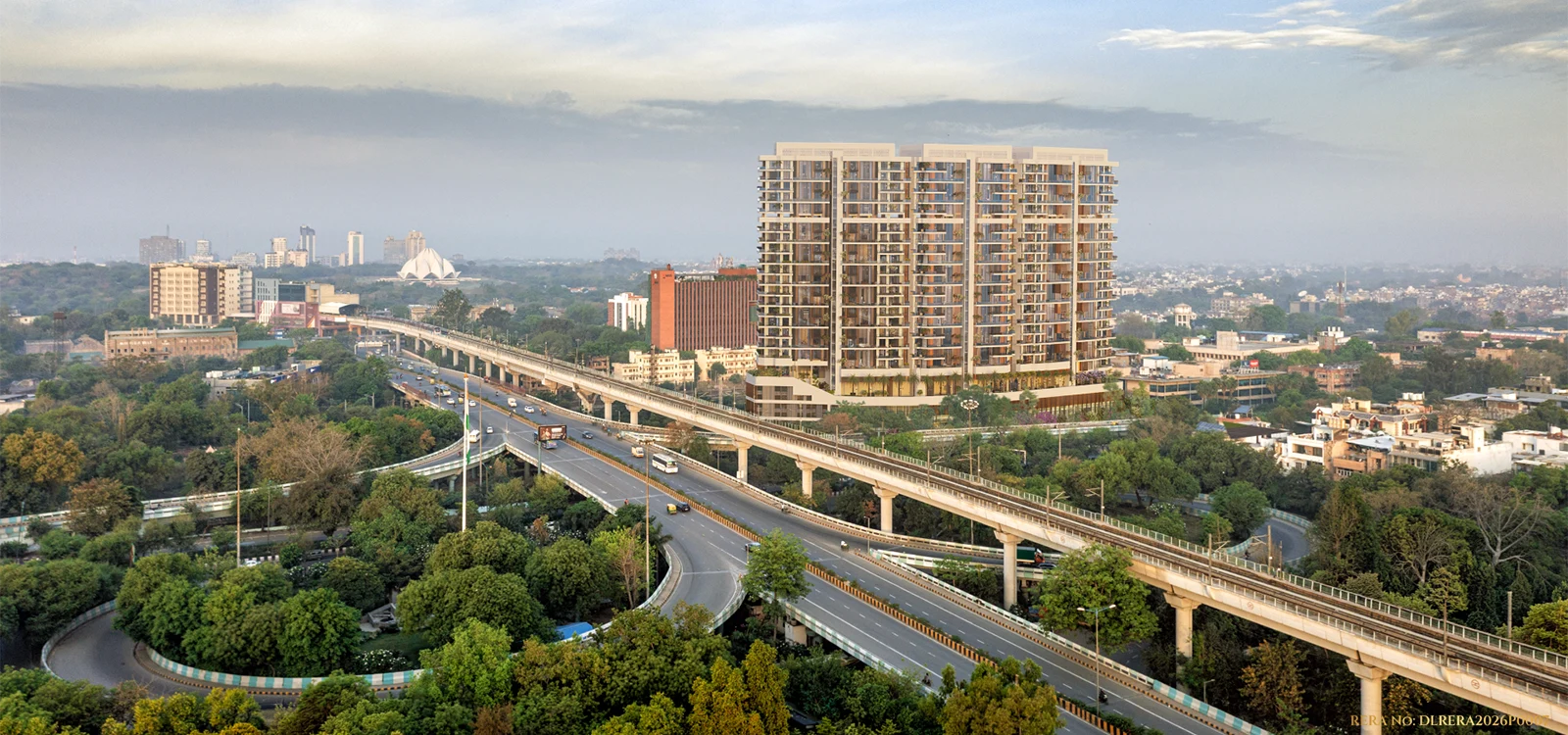
Purchasing a premier residential property in South Delhi represents a major financial commitment. Whether you are looking at boutique independent floors in established enclaves or branded vertical communities like Kreeva Swaranaya, conducting thorough legal, financial, and structural due diligence is essential. In a high-value market where expectations and capital outlays are immense, relying solely on marketing brochures is never enough.
Buyers must systematically audit every facet of a project—from title deeds and statutory approvals to carpet ratios and cancellation clauses. To understand the foundational blueprints of the address before diving into legal verifications, review the complete Kreeva Swaranaya project details.
1. Title and Ownership Checks
Before signing any application form or issuing token payments, establish who legally owns the land and whether the developer holds clear development rights.
- Chain of Title: Request the complete title history of the land parcel spanning the last 30 years. Ensure there are no active litigation claims, unliquidated mortgages, or inheritance disputes.
- Development Agreements: If the land is owned by third parties and being developed through a joint venture or collaboration agreement, review the registered power of attorney (POA) and sharing ratio documents.
- Encumbrance Certificate: Obtain an up-to-date encumbrance certificate from the local sub-registrar office to confirm the land parcel is free from prior financial charges or bank loans.
2. Applicable RERA Registration Verification
Regulatory transparency under the Real Estate (Regulation and Development) Act is your primary legal safeguard.
- Check the Registration Number: Verify that the project holds a valid, active registration on the official regulatory portal. For instance, Kreeva Swaranaya South Delhi is registered under Delhi RERA with the registration number DLRERA2026P0007.
- Audit Promoter Disclosures: Cross-verify the promoter entity’s corporate credentials, director details, litigations history, and scheduled completion timelines listed on the regulatory database.
- Quarterly Progress Updates: Review whether the developer consistently files statutory progress reports regarding structural completions and fund allocations.
3. Sanctioned Master Plans and Zoning Approvals
South Delhi’s municipal landscape is strictly governed by Master Plan guidelines, height restrictions, and environmental clearances.
- Municipal Sanctions: Inspect the sanctioned building plan approved by local civic authorities. Confirm that the number of towers, total height (such as G+27 structures), and basement allocations match official municipal approvals.
- No-Objection Certificates (NOCs): Verify mandatory clearances, including fire department NOCs, environmental impact assessments, airport authority height clearances where applicable, and pollution control board consents.
4. Carpet Area Versus Super Built-Up Area
Misunderstandings regarding usable space are common sources of buyer disputes in high-end real estate.
- Carpet Area Clarity: Insist on knowing the exact RERA-defined carpet area (the net usable floor area enclosed within walls). For example, luxury 3.5, 4.5, and 5.5 BHK layouts at Kreeva Swaranaya Delhi feature designated carpet footprints complemented by expansive outdoor decks.
- Super Built-Up Ratios: Understand how common lobbies, elevators, vertical service shafts, and clubhouse proportions are factored into the super built-up calculation.
- Balcony and Deck Allocations: Clarify whether large viewing decks or utility balconies are charged at full super built-up rates or calculated on a discounted fractional basis.
5. Specifications, Material Grades, and Amenities
In the ultra-luxury segment, the quality of finishes dictates long-term asset value.
- Brand Make and Finishes: Check the developer's specification sheet (white-goods brands, marble provenance, acoustic glazing thicknesses, and sanitary fittings).
- Structural Engineering: Review who engineered the superstructure. Premium high-rises often rely on renowned structural consultants—such as JW Consultants LLP—to manage complex spatial designs like 22-foot double-height living volumes safely.
- Clubhouse Deliverables: Confirm whether the advertised recreational footprint—such as a 1,50,000 sq. ft. club ecosystem featuring infinity pools and wellness spas—is delivered entirely in Phase 1. For detailed analysis on financial structuring and asset worth, refer to the Kreeva Swaranaya pricing and investment guide.
6. Payment Schedules, Additional Charges, and Tax Implications
Transparent financial planning protects you from unexpected out-of-pocket expenses later in the construction cycle.
- Milestone Linkages: Ensure payment structures follow a transparent, construction-linked timeline rather than arbitrary demand letters.
- Hidden Costs: Explicitly calculate extra expenses, including Preferential Location Charges (PLC), floor-rise premiums, car parking bay allocations (e.g., multi-bay subterranean parking), club membership initiation fees, and legal documentation charges.
- Statutory Taxes: Factor in current Goods and Services Tax (GST) rates applicable to under-construction properties, alongside state stamp duty and registration fees.
7. Possession Commitments and Cancellation Clauses
- Grace Periods and Penalties: Read the Flat Buyer’s Agreement (FBA) clause governing possession dates. Verify what compensation the developer is legally obligated to pay if project handover is delayed beyond the RERA-registered completion date.
- Exit and Cancellation Terms: Examine the forfeiture penalties imposed if you choose to cancel your allotment mid-way through the payment schedule.
Summary Buyer Due-Diligence Checklist
| Verification Step | Key Document to Inspect | What to Look For |
|---|---|---|
| Land Title | Title Deed & Search Report | Clear freehold or absolute ownership with zero third-party litigations. |
| Regulatory Status | RERA Website Certificate | Active registration status (e.g., DLRERA2026P0007) and clean promoter records. |
| Municipal Plans | Sanctioned Layout Blueprint | Approved floor heights, tower counts, basement levels, and zoning compliance. |
| Area Metrics | Allotment Letter & Cost Sheet | Transparent breakdown of RERA carpet area, balcony square footage, and super built-up totals. |
| Contractual Terms | Draft Flat Buyer’s Agreement | Balanced penalty clauses, clear possession deadlines, and transparent maintenance terms. |
Frequently Asked Questions (FAQs)
- Q: Why is RERA verification crucial before booking a luxury property in Delhi? A: RERA registration ensures that project funds are sequestered in designated escrow accounts, legally binds the developer to stated delivery timelines, and provides transparent floor disclosures.
- Q: Where can I check the RERA status of Kreeva Swaranaya? A: You can verify the project registration details directly on the official Delhi RERA portal using registration number DLRERA2026P0007.
- Q: What is the difference between carpet area and super built-up area? A: Carpet area is the actual usable interior floor space of the apartment, whereas super built-up area includes a proportionate share of common corridors, lobbies, and structural walls.
- Q: Should I consult an independent legal expert before signing buyer agreements? A: Absolutely. Retaining an independent real estate lawyer to review the builder-buyer agreement safeguards your interests against one-sided indemnity clauses.